Free speech is one our most sacred and, simultaneously, one of our most vulnerable rights that we have here in America. Throughout our history we have seen First Amendment rights come under assault from different factions, groups or even within our own government. But it is imperative that all available tools and safeguards are used to protect free speech.
The upcoming gubernatorial race on November 3 is important because the governor has the power, through the veto, to continue to protect free speech and stop censorship in the classroom, at protests and on the Internet.
Governor’s Veto Stopped Criminalization of Speech
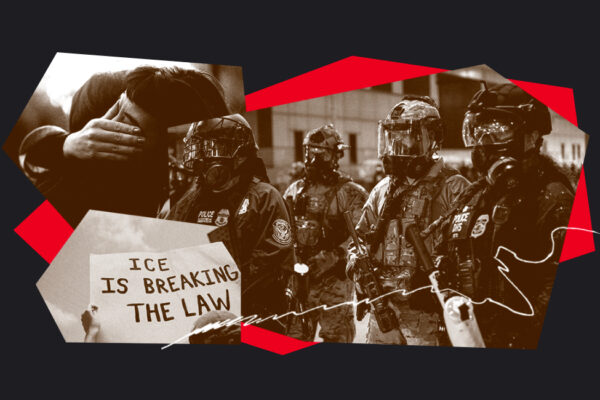
The vague wording in anti-protest bill 2021 AB-279/SB-296 could have criminalized various aspects of lawful assembly and threaten punishment of innocent protesters who either had no idea or were not participating in any illegal activity during a demonstration. This bill would have created a significant chilling effect on people wanting to exercise their fundamental right to lawfully protest. The power of the veto took care of this bill.
2025 AB-672/SB-650 intended to target acts of transnational repression, but contained very broad language and undefined terms that would introduce a penalty enhancer targeting speech, raise significantFirst Amendment concerns, and risk targeting the very communities this bill intends to protect. Governor Evers struck down that bill as well.
The governor’s veto is the last thing standing in the way of bills that could severely take away the free speech from marginalized communities, from those that want to protest, from those that want to learn and be in a classroom that does not infringe upon their First Amendment rights.
Classroom Censorship Threats Vetoed
Governor Evers vetoed several other bills that threatened our free speech.
In 2023, legislators passed AB-510/SB-489, a classroom censorship bill disguised as legislation that would protect parental rights. It aimed to require is notified if a so-called “controversial subject,” is discussed in the classroom, giving parents the opportunity to opt their student out of conversations about sexual identity, race, and gender, regardless of the feelings of the student.
AB-510 would also require that schools deadname and/or misgender students. The effects of this bill would stymie an educator’s ability to discuss critical historical subject matter and issues impacting Black, Indigenous, LGBTQ+ people and other marginalized communities. These kinds of forceful measures could have also increased the bullying and harassment of LGBTQ+ and transgender students, so we are grateful Governor Evers also vetoed this bill.
2021 AB-411/SB-311 would have severely narrowed the scope of what racial history and education subjects would be allowed to be taught in Wisconsin schools. This is a classic case of classroom censorship and was thankfully vetoed.
Gov. Evers Vetoed Internet Age Verification
2025 AB-105/SB-130 or the Internet Age Verification bill is a great example of the governor's veto power working to protect free speech.
Under the guise of protecting minors, this bill would have exposed Wisconsinites to harmful surveillance, block access from those who lack government identification and also raise significant First Amendment concerns.
AB-105 was a bill that would have required websites containing the arbitrary threshold of “more than one-third” content deemed “harmful to minors” to implement age-verification schemes forcing users–including adults–to upload a government ID, provide AI-powered biometric scans, or allow third-party data analysis just to access legal online content. These systems raise serious concerns about privacy, data security, and censorship, and could fundamentally change how Wisconsinites interact with the internet. They also risk discouraging people from accessing lawful information, including LGBTQ+ resources, sexual health education, and other sensitive materials, while exposing users to potential data breaches or surveillance.
The governor’s veto has been crucial to stop harmful bills such as these from curbing our freedom of speech and First Amendment rights. This November 3, exercise your right to vote and we hope that our next governor uses the power of the veto wisely.
Learn more about the midterm election on November 3 and how to cast your vote at https://www.aclu-wi.org/issues/strengthening-democracy/.