
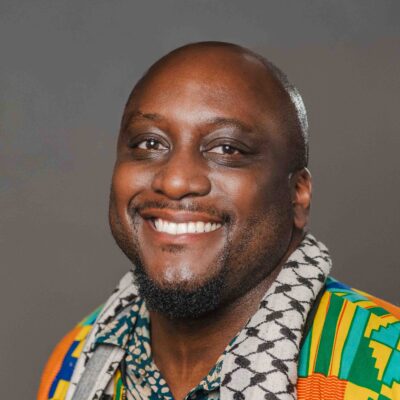
June 19th is a day that is like a superhero, in that it is a day with many aliases. Juneteenth. Jubilee Day. Black Independence Day. For me, it can also leave you feeling a bit like a superhero, when you read about the story of how Juneteenth came to be. Even though the emancipation proclamation had happened, as with many things for Black People in this country, the emancipation was delayed until June 19, 1865, when Major General Gordon Granger rode into Galveston, Texas and gave the order to enforce the emancipation proclamation.
These were the thoughts that were swirling in my head this past Juneteenth, when we were tabling at the Juneteenth event here in Milwaukee, an event that has been going for 55 years and counting. It was beautiful to see Black people from different corners of this city (and probably the state) come to dance, to eat, to laugh and enjoy themselves on that federal holiday. All of this would make me smile a bit more, as my colleagues and I were passing Know Your Rights material, a pamphlet on the Constitution, candy and trinkets for the children that would come by our tent. But then a familiar feeling started to take hold in the pit of my stomach. A foreboding feeling that as a Black person sometimes comes around, like a cloud blocking the rays of the sun. Amidst this celebration, I could not help but think of all the issues and injustices that plague Black people in this country and specifically in Wisconsin today.
I found myself thinking about racial disparities that exist in almost every facet of our life. Marijuana has become more accepted in society. Just in April, medical marijuana was reclassified as a “less-dangerous drug,” by the federal government. More dispensaries are opening by the minute and legalization is sweeping the nation. So why is it that in Wisconsin that “in 2022, Black people were 5.29 times more likely than white people to be arrested for marijuana possession in Wisconsin despite comparable national marijuana usage rates,” a trend that still continues today. If it's not marijuana, then how about the police killings of Black people in this state, which come with a lot of demonization of the victims and misplaced veneration of police officers. They are more than numbers or statistics, but people who had lives and were loved by those around them. They had names like Tony Robinson and Ty’Rese West. Even if they were not killed, people like Jacob Blake still suffered and their lives and their community was changed forever.
I could feel the energy draining from me and my smile started to falter as thoughts like these threatened to sink me. And then, a family came up to our table. There were three little kids that were excited to spin the wheel and get some treats. The older woman looked at me and smiled. She then asked if I was alright. I looked back at her, and my smile slowly grew back to what it was before. I told her I was good and then I told her about the ACLU-WI, what we were about and what we do. Before I could say anything, she had already helped herself to some Know Your Rights cards and the constitution pamphlet. She turned to the three little children that were still fishing for candy and snacks and told them that they were going to be reading those materials tonight. They nodded at her and she smiled at me and said, “Thank you. I wish I knew about this place before,”
And that is when it clicked for me. The ACLU-WI is faced with the issues that look to subjugate people and take away our civil rights. We are on the front lines doing what we can to preserve our rights and move us forward. But most importantly, it is you we must connect with. There can be some time to reflect upon the misdeeds and injustices that has been beset upon Black people, but it cannot take precedence over service and battling for our community. As a communications coordinator, I will do my best to make sure that the message and the mission of ACLU-WI is heard by as many people as possible, whether they are on the North side of Milwaukee or in northern Wisconsin. We also know we can’t go at it alone, so that’s why we work with organizations such as BLOC and African American Roundtable and our community comes out stronger because of it. Juneteenth is a celebration for Black people of the United States and their true emancipation and in 2026, we will continue to celebrate and personally, I will always circle Juneteenth on the calendar and remember who it is: a superhero.