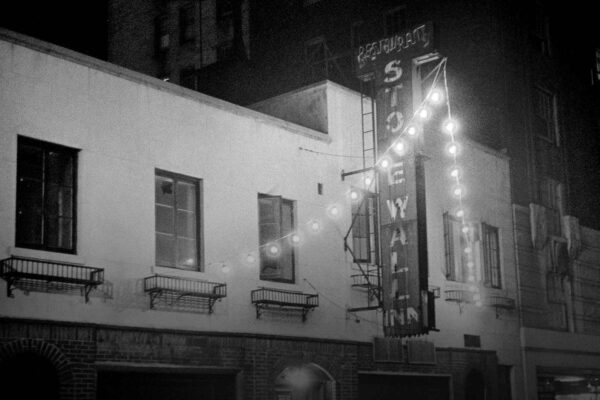

The gay bar for the LGBTQ+ rights movement was what the Black Church was for the Civil Rights Movement. It was a place for community, organizing, political education, radicalization, and survival. Just as many Civil Rights leaders emerged from Black churches, many icons of the LGBTQ+ rights movement came directly out of nightlife. After all, Stonewall was a bar.
For most of American history, queer nightlife was not just entertainment. It was one of the only places LGBTQ+ people could openly exist around other queer people. Long before legal protections, marriage equality, or widespread social acceptance, bars and clubs became some of the only public spaces where queer people could safely express themselves, flirt, dance, and build community. When you think about it that way, it makes sense that queer liberation movements would emerge from nightlife because where else could they have started?
Ironically, the roots of modern queer nightlife in America are tied directly to Prohibition. During Prohibition, underground nightlife scenes in cities like New York City, Chicago, San Francisco, and New Orleans were often less socially rigid than broader American society. If an establishment was already illegally selling alcohol, many owners were also willing to ignore social rules around sexuality, gender expression, and sometimes even race. That environment helped create some of the first semi-public queer social spaces in modern America.
But after Prohibition ended in 1933, states and cities heavily regulated nightlife through liquor licensing laws. Many of those laws enforced conservative social norms around gender and sexuality. Bars that allowed same-sex dancing, queer expression, or openly LGBTQ+ clientele risked losing their liquor licenses entirely. Queer people were effectively pushed out of “legal” nightlife and forced to create spaces of their own.
In many ways, that is the birth of the modern gay bar in the United States. These venues became more than nightlife spots; they became community infrastructure. During the 1940s and 1950s, America experienced a conservative backlash centered around returning to a mythologized version of “normal” American life after World War II. Homophobia intensified, and many LGBTQ+ people were pushed further into secrecy and isolation.
At the same time, World War II unintentionally accelerated queer community formation. Millions of Americans were relocated away from small towns and traditional family structures through military service and wartime labor. For many queer people, this was the first time they encountered other openly LGBTQ+ people. Many never returned home and instead settled in major cities, where growing underground queer communities were emerging.
The centers of those communities became nightlife hubs. Bars and clubs gave queer people something many had never experienced before: visibility, connection, and belonging. They were places where people could test identities, meet partners, exchange information, and build chosen families in a society that often rejected them. In a country where being openly queer could cost someone their job, housing, safety, or freedom, these spaces became lifelines.
Wisconsin had its own hidden queer nightlife history. Gale's Bar, which opened in 1955, is recognized as one of the earliest known gay bars in the state. In Milwaukee, spaces like Your Place, The River Queen, the Black Nite, and eventually This Is It! helped shape Wisconsin’s queer social landscape. Many operated through back rooms, coded reputations, and word of mouth because visibility itself carried risk.
These spaces endured because queer people had nowhere else to go. And when marginalized people are repeatedly forced into the same spaces together, those spaces inevitably become political. That is why queer resistance throughout the 1950s and 1960s so often emerged from nightlife. Gay bars were never just bars; they were community centers, organizing hubs, and survival networks long before broader society recognized LGBTQ+ people as fully human.
Which is also why they became targets.